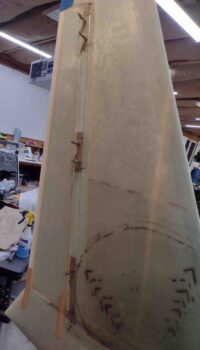
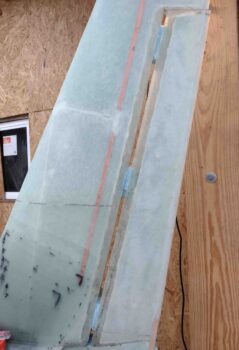
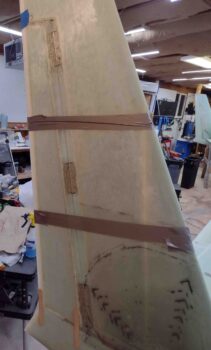
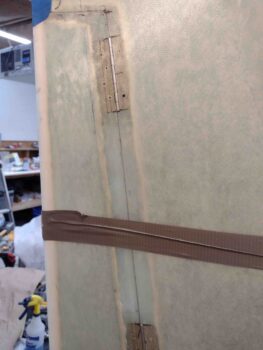
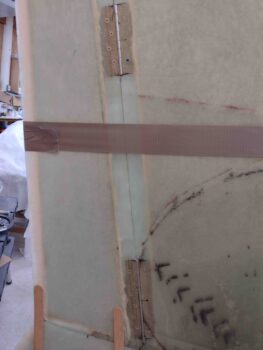
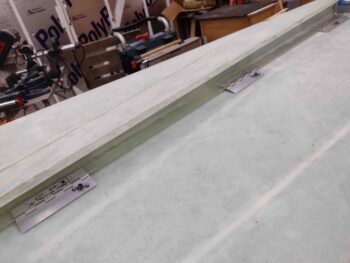
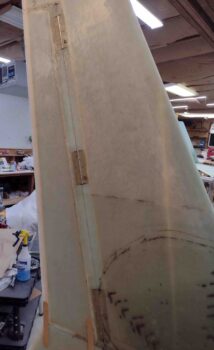
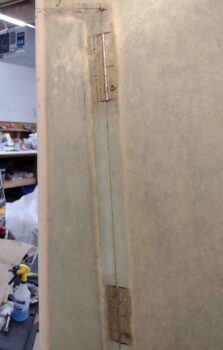
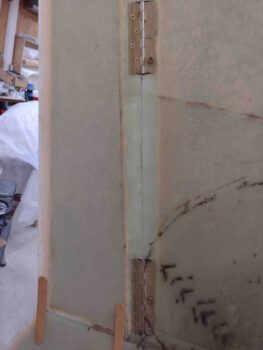
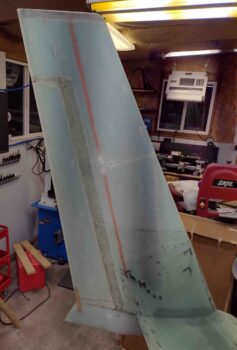
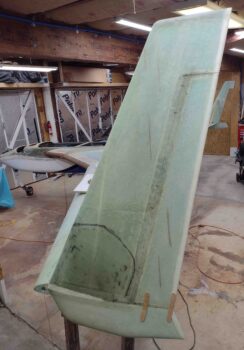
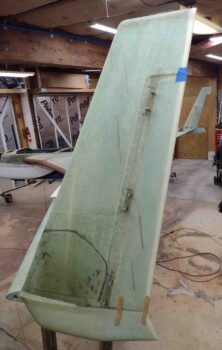
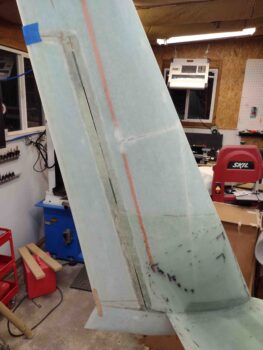
Chapter 20 – Making rudder hook plugs

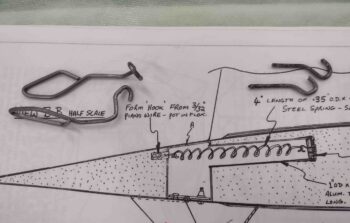
Today I started off reacquainting myself with Fusion 360 CAD software by drawing up the Rudder Return Spring Hook Plug as outlined (or mentioned… ahem!) in Chapter 20.

Drawing up the hook plug really wasn’t that challenging, but getting back into the CAD side of Fusion 360 to machine these things took a little bit of relearning.  I then had to do some tweaking on the milling machine for a couple of hours to get it back online and ready to spit out some chips.

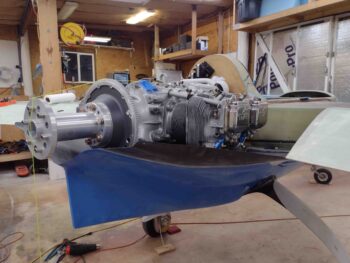
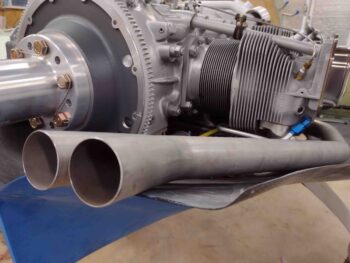
Before I actually started machining the Rudder Return Spring Hook Plug out of 1/4″ Birch plywood, I took a break for about an hour to take pics and respond to Clinton regarding the exhaust pipes fit in the lower cowling.

I then got back to machining my rudder return spring hook plugs, as you can see in this video:

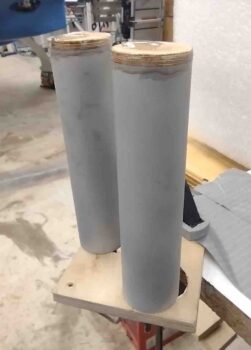
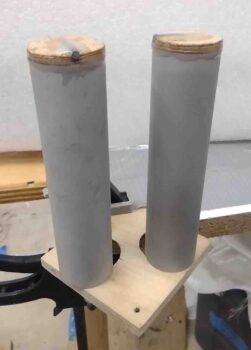
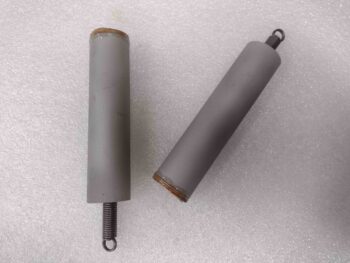
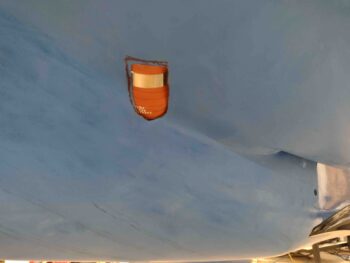
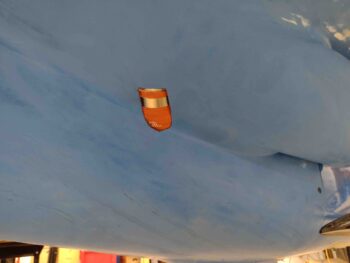
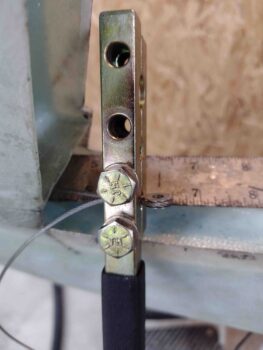
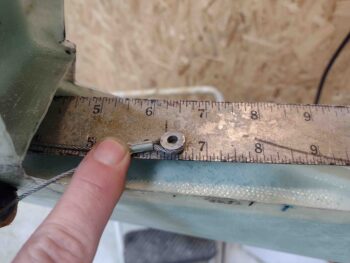
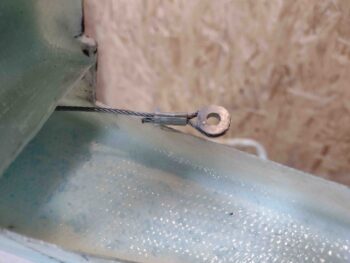
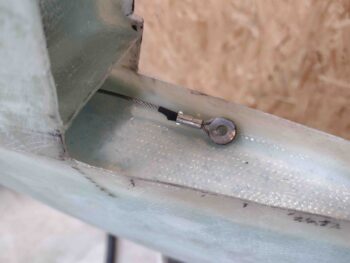
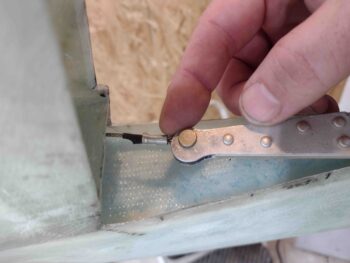
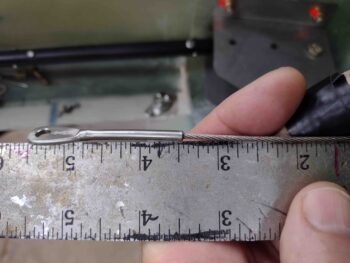
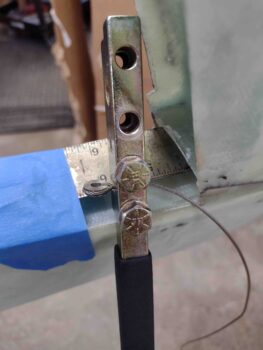
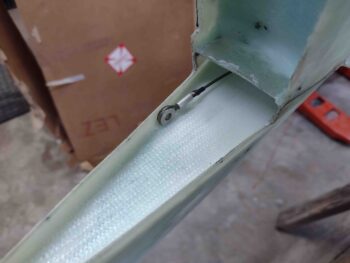
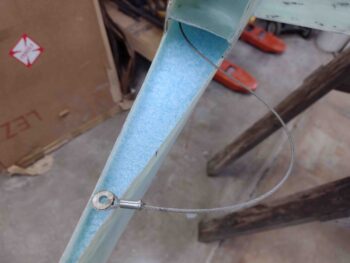
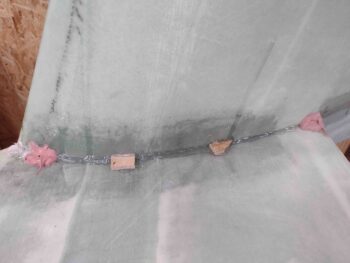
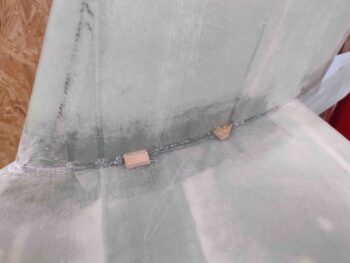
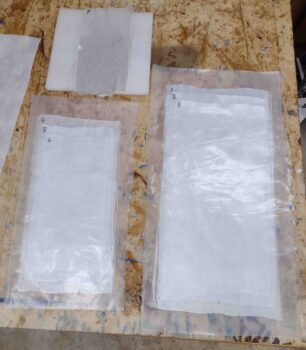
Although I added these pics to the end of the video, here you can see I floxed the hooks into the wood plugs, and then with some leftover flox I floxed the wood plugs into the ends of the rudder return spring tubes a little bit later.

Being lazy, er, uh, efficient, I went ahead and put the springs onto the hooks and ran them into the tubes so I wouldn’t have to fiddle with them later.

Yep, these few pics may not make it seem like a very long or productive day, but I can assure you it was both!

Chapter 23 – Lower cowl fix actions

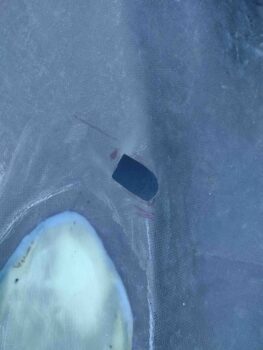
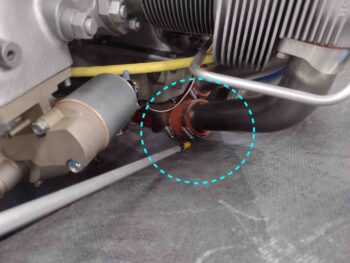
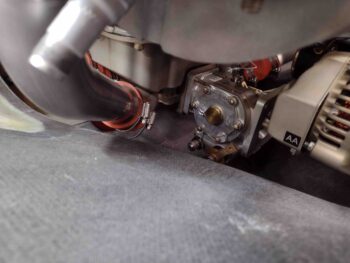
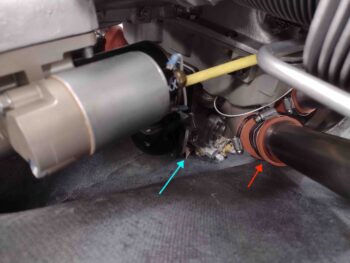
I started out today by creating a notch on the right side of the lower cowling, just aft of the armpit intake, to create clearance for the engine’s aft right cold air induction pipe.

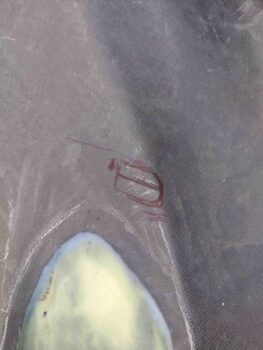
Of course this was NOT a one and done task, requiring iterative trimming of the right side lower cowling notch.  Here we have the notch edge marked for further trimming.

And here we have yet another round of trimming on the right side of the lower cowling to again allow clearance for the aft right cold air induction pipe.  This however, was not the final round of trimming.

Much later, I did the final trim on the cold air induction pipe clearance notch.

All the above notch creation allowed me to FINALLY fully mount the lower cowling with every CAMLOC installed.  Here’s the left side . . .

and the middle bottom CAMLOCs, and finally the right side.

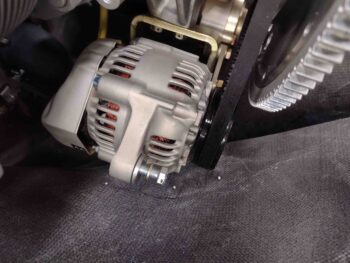
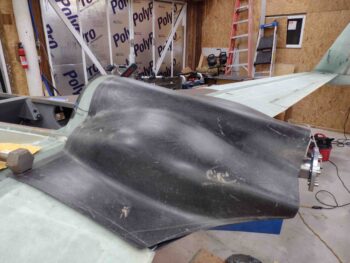
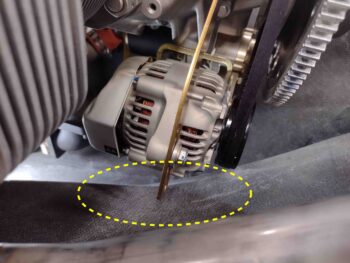
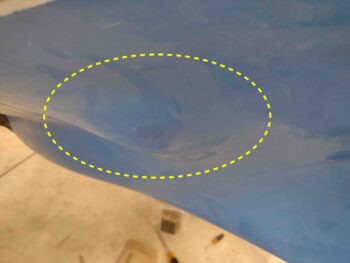
Again, since I’ll be tweaking the lower cowling on the right side, I’ll be removing the bump on the aft left side of the lower cowling for the alternator.  I started the “bumpectomy” by drilling 3 small holes at the vertical outboard left edge plane of the alternator (pic on the left).  To be clear, the “corner” break at the lower vertical to upper horizontal seam (right pic) will be left in place.

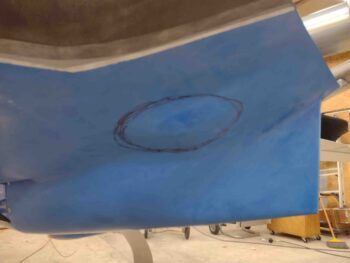
Here is the alternator bump on the aft left side of the lower cowling, marked for removal.

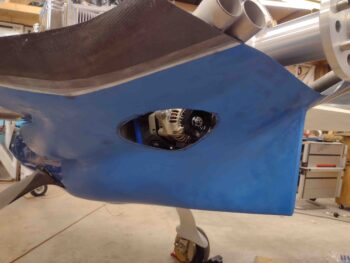
Which I did when I made the final trim on the right side for the aft right cold air induction pipe.

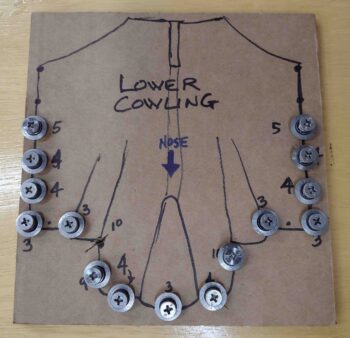
I’ll note that before I remounted the lower cowling this last round, I went ahead and made up a hardware card to allow me to keep track of all my CAMLOCs and screws.

Part of my efforts to correct and tweak all these engine components vs lower cowling interference, found me on the phone with Don at Airflow Performance in regards to swapping out my 85° elbow for a 90° elbow.

I also spoke with Allen at Precision Airmotive regarding clearance issues and configuration of the Silver Hawk EX fuel injection servo.

Finally, I spoke with Clinton at Custom Aircraft, who made the exhaust system for my bird.  In my discussion with Clinton, we came up with an initial game plan for me to send the exhaust pipes back to Clinton for him to cut and re-weld at the proper angles to have acceptable pipe clearances as they exitf the cowlings.

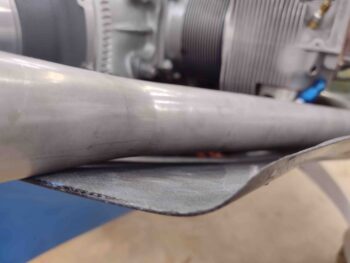
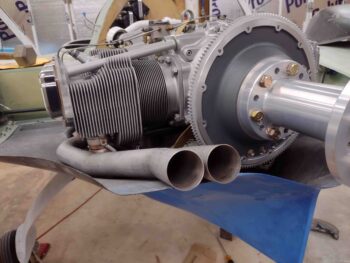
Here is another shot of the right exhaust pipes’ clearance with the lower cowling.

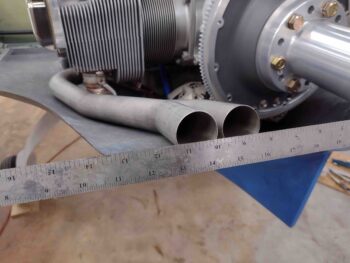
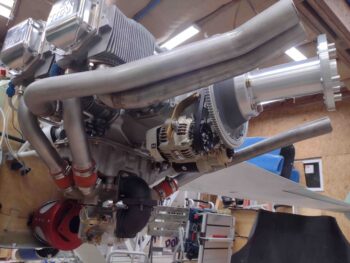
Although at angles, these pics show both the clearance of the exhaust pipes with the lower cowling, and also the left-right position so that the midpoint of each pipe pair is about 9″ from the engine centerline.

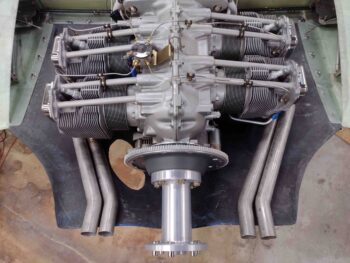
Here is a shot of the engine and exhaust pipes from above.

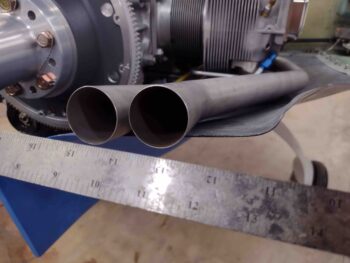
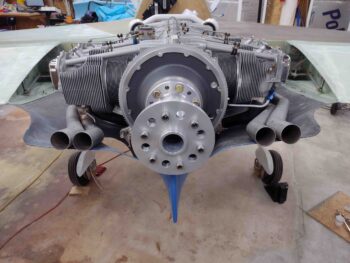
And from behind… I took these shots specifically at Clinton’s request to allow him to evaluate my exhaust pipe situation.

Tomorrow I plan on pressing forward in working both the lower cowling vs engine component clearances, along with some final winglet/rudder tasks.

Chapter 23 – Cowling: bad to worse

Let it be known that I’m not trying to sound like Chicken Little or be overly melodramatic on my blog post titles… it just really is both surprising and perplexing to me how relationally off the cowlings can be in regards to the engine components.

Now, to drop yet another movie reference, “With great power, comes great responsibility” Peter Parker’s (aka Spiderman) uncle.  So, with high engine power derived from cold air induction, RAM air and fuel injection… yes, there is bit more to contend with stuffing all this into a Long-EZ cowling.  Thus, am I allowed to state: With great engine power comes great challenges… ?!

Now, to be fair, I thought I could cheat with stuffing an O-320-sized motor into cowlings specifically designed for an O-360 and get away with adding all these goodies… but I got caught! Big time.

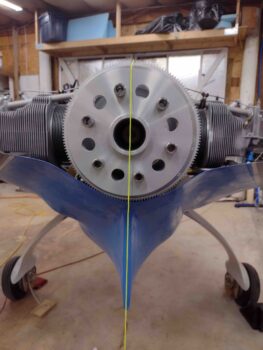
Starting off this morning I wanted to verify that my engine was sitting in the center of the lower cowling… as you can see below it clearly is.  At least within an acceptable tolerance (I ensured that the gap issues below were mitigated when I did this plumb bob exercise).

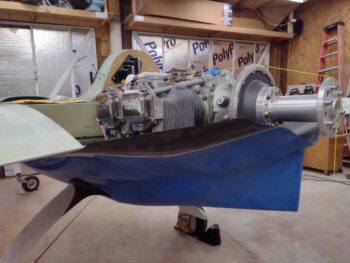
A couple more shots of the lower cowling partially installed around the engine.

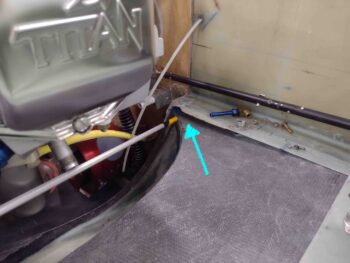
The issue is that I have gaps on both inboard corners, with the right side more so than the left… at about 1/2″ (blue arrow and pointer).

At first I chalked it up to the fuel injection servo being too low, but then lo and behold I discovered that the right side cold air induction pipe coming out of the plenum into the aft cylinder intake manifold was keeping the cowling from moving upwards the last 1/2″.

Before I delve into any more issues, let’s take a brief moment for some feel-good pics… here is the upper cowling set in place to get a general idea of how it will look once mounted.

And a couple shots of the upper cowling looking over the strakes….

And finally, some shots of the shoulders, where the cowling “corners” come forward onto the CS spar and strake.  If the left side (right in pic) looks a little higher than the right, that’s because it is.  Please refer all design questions or comments to Mike Melvill… ha!

Ok, back to the issues at hand.  I ran out to have a quick lunch with Jess, but before I left I grabbed this shot of the fuel injection servo mounted straight to the aft side of the Superior Cold Air Plenum.  I wanted to see how it fit back there in case I need an optional place to mount it due to limited space.  It actually fits fine.  One challenge would of course be ensuring that I could get air U-turned back into the FI servo (nose is to the left ← ).

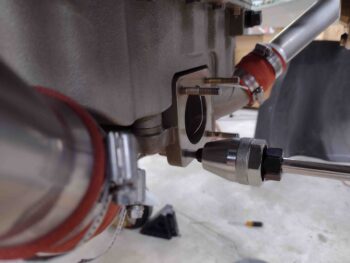
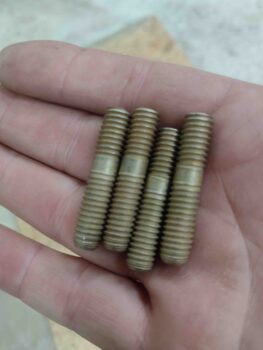
On the way back from lunch I stopped off at an auto parts store and picked up a stud removal tool.  Nothing else was working so I hoped this would do the trick.  Here I have it attached to the stud from hell that just would not budge a micrometer.

And voila!  It took the stud right out… very handy little tool.

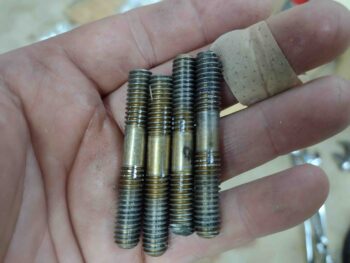
I then proceeded to take all the long studs out of the cold air plenum.  I will say one detractor about the stud removal tool is that it bites so hard on the stud that it ruins it for any future use.  Oh well.

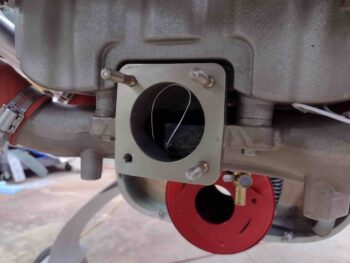
My camera (phone) ran out of memory so I didn’t document installing 3 of the 4 studs.  Ok, wow.  Those shorter studs were way harder to install than removing the stubborn long studs with the handy, dandy stud removal tool.  No tool to put these things in, just trying to lock 2 nuts to each other.  I simply couldn’t get them in as far as wanted to, but far enough to meet the requirements [#4 is in the freezer and when I get a chance I’m going to really hit the plenum face hard with heat before threading in the frozen stud… let’s see how it works eh?]

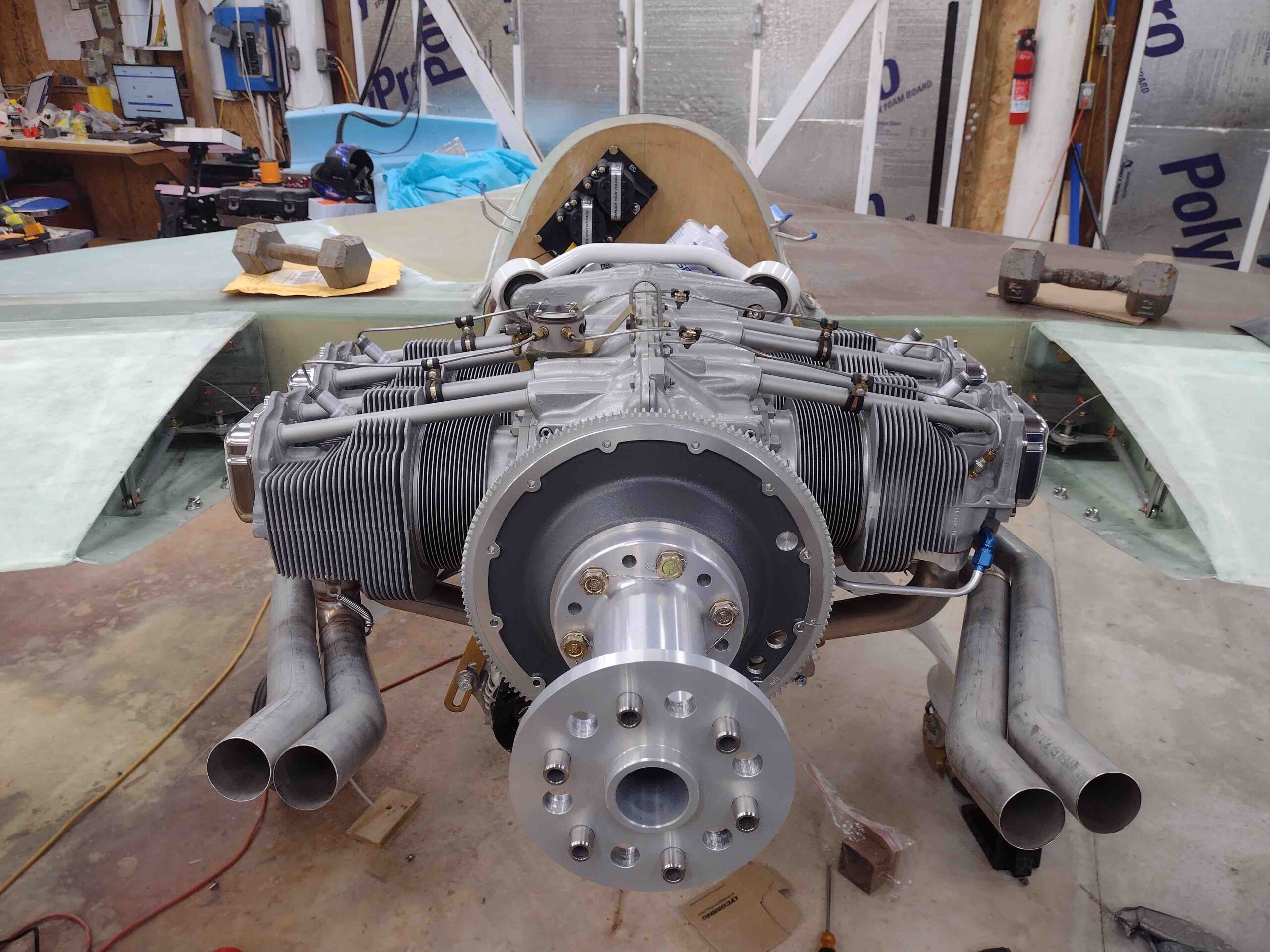
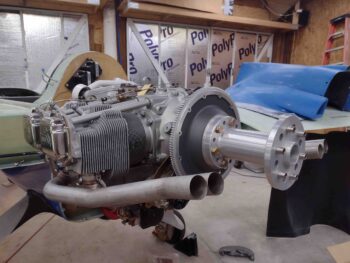
I then figured if I was going to stress test the lower cowling for space and clearance of all things engine-related, then I needed to lay all my cards out on the table….  so I grabbed the exhaust pipes and installed them in place.

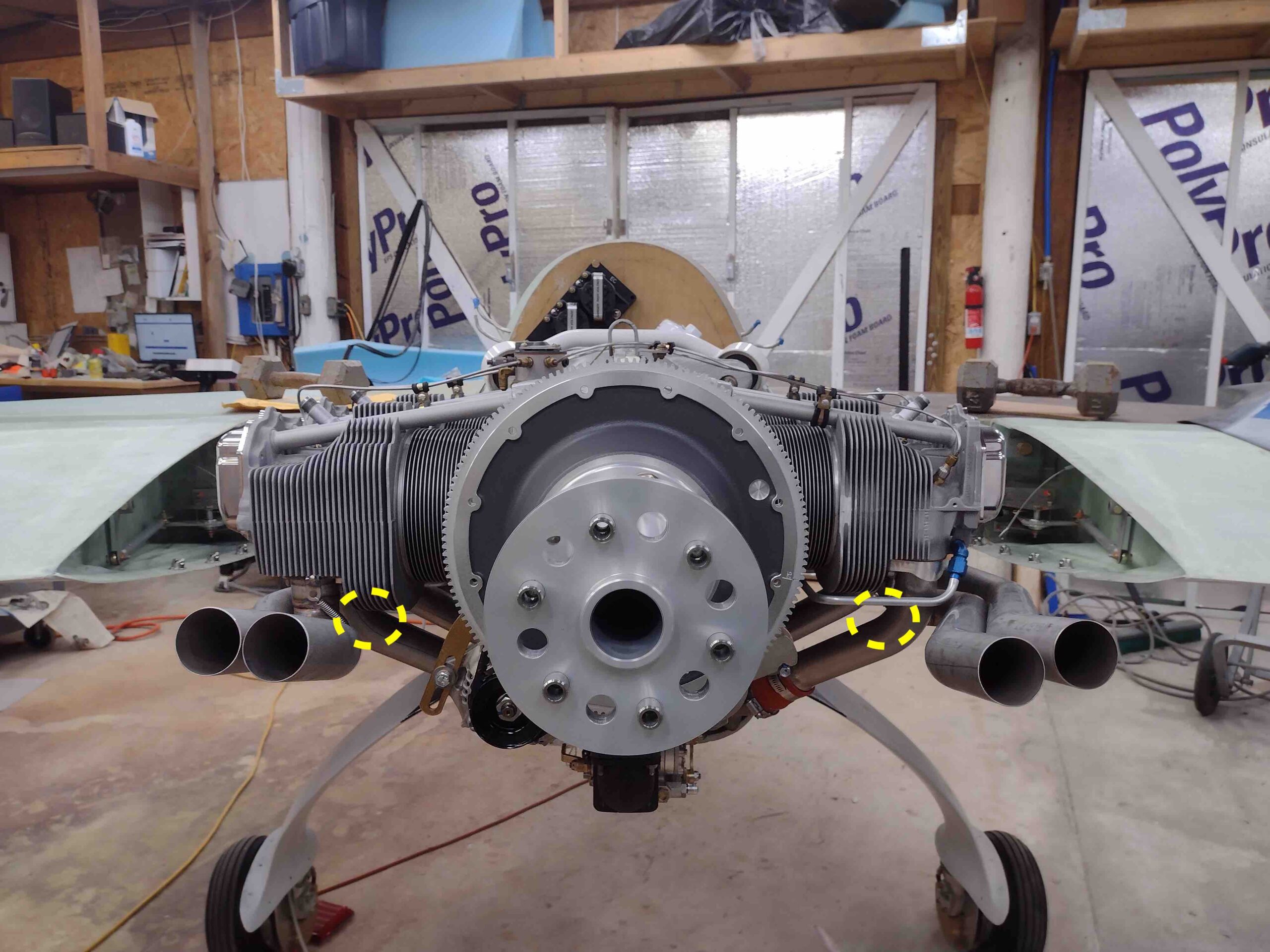
Here’s some shots from straight aft of the engine.  The yellow dashed circles denote about where Mike Melvill’s inside exhaust tubes are located.  Mine are significantly outboard of his.

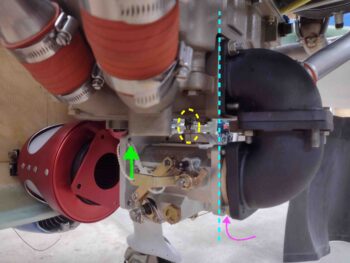
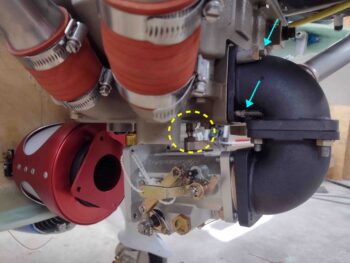
With exhaust tubes in place, I then set added some washers (magenta arrow) to the bottom of the 85° bottom elbow to get it as close to a 90° elbow as possible.  Note the blue dashed line.  This of course had the effect of raising the entire fuel injection servo up a bit, especially the front end (green arrow).  Finally, I wanted to ensure that I still had decent clearance for the fuel spider feed line connector on the top of the FI servo (yellow dashed circle)… the space was tight, but looked ok.

One last shot of the exhaust pipes and fuel injection servo before the cowling went back on.

Ok, having the exhaust pipes mounted after all these years is admittedly pretty darn cool.  However, what is NOT cool is that the exhaust pipes are essentially laying on the inside surface of the bottom cowling.

I put a piece of 1/4″ plywood under the FI servo, so at this point I had about 3/8″ of clearance minimum under the servo, I’d guesstimate.  But the with the cold air pipe of the aft right cylinder blocking any upward movement of the cowling, I was at a standstill assessment-wise until I could start turning some of these variables into constant data points.

As I stared down the lower cowling and engine from all different angles to understand the issues and possible remedies, annotating it all, I accepted the fact that I was going to have to put a hole in the right side of the lower cowling to allow space for that cold air induction pipe.

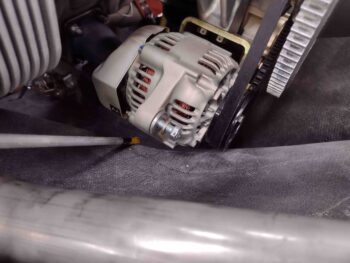
On a slightly different note, remember that Mike Melvill put an O-360 motor in this cowling, which IS a bigger motor.  That means some things were naturally in different positions and different proportions than my engine configuration.  One such thing is the bump out on the cowling for the alternator.  It is just way too much for my more diminutive 40-amp B&C alternator.

I decided that if I had to Frankenstein my lower cowling (thank goodness I never went to final paint on the darn thing!) that this repugnant bump —which most certainly would have disturbed my nice airflow to the prop!— had to go.

Yep, I am going to perform a bumpectomy and get rid of this blight on my cowling.  While I try desperately not to add another one on the right side.

So… with all this head scratching and emotional gut punches in dealing with so many darn clearance issues between my lower cowling and engine, it was time for a glass of red and a late dinner!

Chapter 20/23 – Good day, bad day!

Today was a good day in regards to the rudder installs… not so good for the engine components configuration.

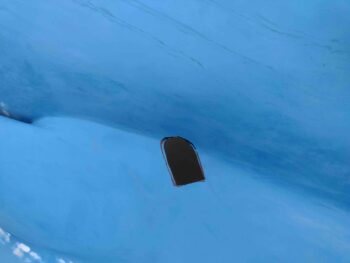
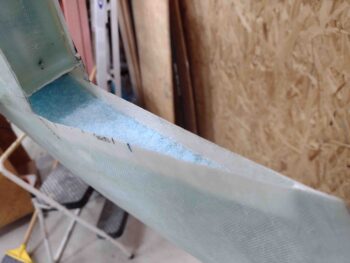
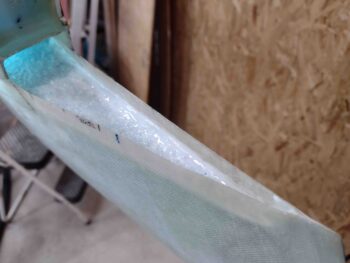
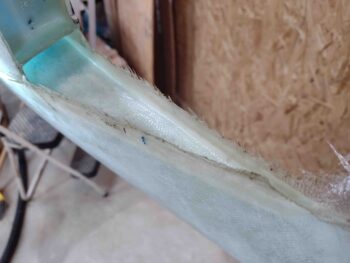
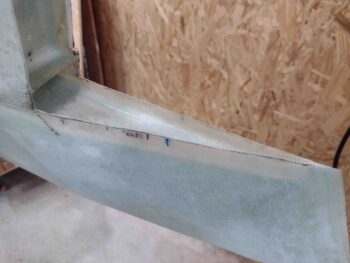
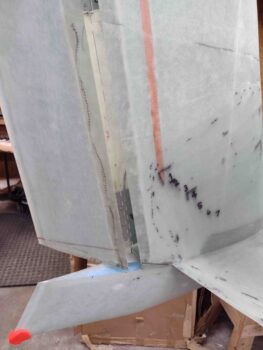
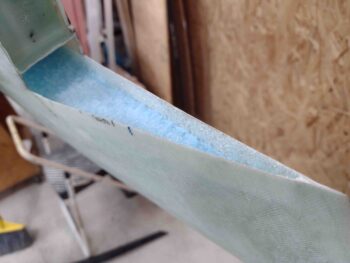
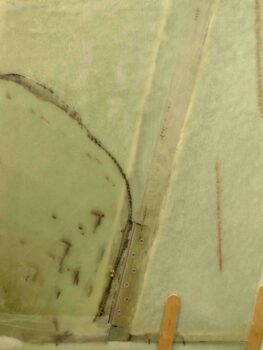
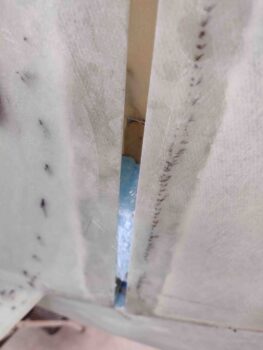
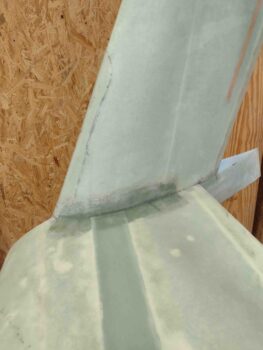
First, here is a shot of the right winglet’s Internal Bellhorn arm pivot channel. Yes, there is some blue foam peaking out from under the micro… a future project to jam a ply of BID up there.  Not a high priority nor does it make it un-airworthy.  Pressing forward.

My plan starting off is to have the right wing root rudder cable situated as far outboard as possible…

with 6.25″ of cable from the aft corner of the rudder conduit opening of the wing exiting out of the Internal Bellhorn channel.

I then swaged a thinned AN111-C3 onto the right rudder cable at this 6.25″ mark.  I’ll note that unlike my test swage on the left side, I left the cable long to allow me to pull it tight around the AN111-C3 bushing.  This worked infinitely better than pre-cutting the cable.

My final length showing out the wing end was 6-3/8″… however, the wing root rudder cable connector actually slid into the conduit a little bit (see below bit).

I trimmed off the excess cable and then put a piece of heat shrink over the trimmed cable.

And attached the Internal Rudder Bellhorn to the right rudder cable.  Note that I have plenty of rudder cable accessible to easily attach the Bellhorn arm.

Here we have the right rudder installed with the Internal Bellhorn attached to the rudder cable.  In pic #2 the rudder is kicked out full swing by pulling the rudder cable at the wing root.  Success!

With the right rudder at neutral, the exposed rudder cable exiting the wing root rudder cable conduit is just under my planned 3.5″.

I then repeated the same process on the left rudder.

Here the left rudder AN111-C3 bushing is swaged to the left rudder cable.

Here we have the AN111-C3 bushing swaged and heat shrunk to the left rudder cable.

I then installed the left rudder and tested the rudder pivot outboard by pulling the cable inside the wing root.  Success again with the rudder pivoting out full swing by only manipulating the rudder cable.

Now, although I targeted 6.25″ of cable length exiting the left winglet’s Internal Bellhorn arm channel, for some reason with the rudder at neutral the amount of rudder cable exiting the conduit is 2-5/8″.  Not really an issue since I have plenty of cable to allow me to easily mount the rudder… just a bit odd that it ended up like this.

Ok, rudders are good… some minor tweaks required of course as par usual. No biggie.

But boy did I hit a number of brick walls as I started work back on the engine.  First off, the studs on the cold air plenum are simply too long to work.  Technically I could add spacers to the 2 top studs and make them usable… but the bottom 2 studs won’t even allow me to get a nut on there to secure the air induction 90° elbow.

I had planned for this, so quite some time ago I ordered shorter studs from ACS.  However, these longer studs are simply FROZEN into the cold air plenum and are not coming out (yet!).  I tried the double nut method, thread penetrator, heat, all the above… nothing worked.  I talked to the local auto parts store and even my Long-EZ building buddy Chris Seats.  I finally ended up ordering a somewhat expensive stud remover tool off of Amazon as a last resort.

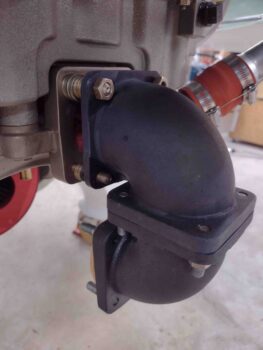
With the long studs still in place, I pressed forward with installing the required air U-turn elbows for my configuration, which you can see below: Filtered or RAM air enters system via RAM air can which will be connected to the fuel injection servo with a short length of SCEET tubing.  Then air exits fuel injection servo and enters elbows for U-turn into the cold air plenum, which then distributes air to the individual cylinders.

Even though the long studs were in place, I could press forward with the interim install to allow me to put the bottom cowling on to facilitate the top cowling install.  Right?!  Wrong!

The cowling would not seat properly due to the fuel injection servo sitting about a 1/2″ too low.  I do have some wiggle room, but that means swapping out (read: buying) my bottom 85° elbow for either another 90° elbow, or perhaps even a 95° elbow.  I’ll do more configuration tests over the next day or two to figure this out.  Plus, there are threads showing on the top 90° fuel elbow (yellow circle) which may allow me to thread it in deeper into the servo body.  Again, a fair bit more research required here to finalize this specific install.  And, again, as per usual…. space is TIGHT.

Time for a drink and some dinner!

Chapter 20 – Lower winglet final glass

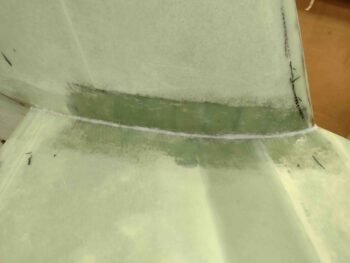
I started off today by doing final prep for the right lower winglet aft side trough, the area that sits below the rudder.  To be clear this layup also links the aft lower winglet to the Layup #3 glass.

I then whipped up some wet micro and applied it to the blue foam.  I also created a micro fillet at the edges of the blue foam for a transition to the glass sides.

I then laid up the prepregged 2 plies of BID into the lower winglet trough.  Again, this layup goes a good ways into the Bellhorn pocket and overlaps both onto the Layup #3 glass and the lower inside walls of the upper winglet, tying this lower winglet layup to the existing structure in multiple ways.

Jumping ahead, a few hours later I razor trimmed the layup.

I then did the same thing on the left side.  I will note that when I was thinning down the foam inside the Internal Bellhorn pocket I inadvertently dug into into the foam and knocked a decent sized divot out of it.  Thus, I need a big blob of dry micro to fill in the void I mistakenly created.

Again, jumping ahead quite a few hours, I razor trimmed the layup.

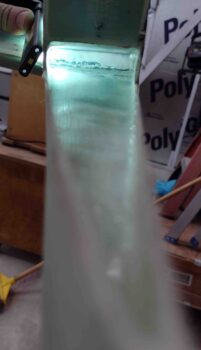
I then spent a good little bit of time forming the left and right rudder return springs from 3/32″ piano wire.  As anyone who has attempted to work with this wire, it is not a task without a good bit of effort . . . a vise is definitely required.

Not shown is the work I did to take the raw cut end of each spring and create a loop 90° to the spring rotation to allow attaching the spring to one of these hooks.

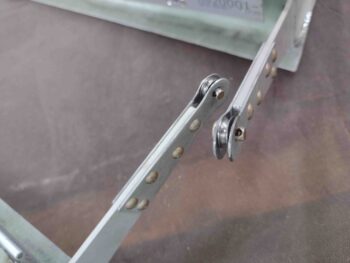
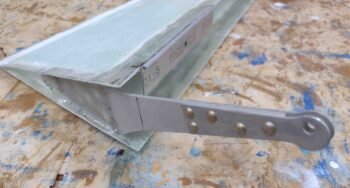
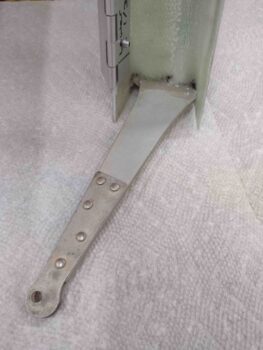
I then spent another good little bit of time using the Dremel tool and then hand file shaving down around 0.010″ off the inside of each arm end of the Internal Rudder Bellhorn that holds the AN111-C3 bushing, from 0.05″ thick down to around 0.04″ thick.  To still allow free movement of these bushings, I also shaved the sides of them down as well by about 0.010″ off each side with the Dremel tool.  All this Dremel and hand filing work —although not necessarily pretty— now allows free movement of the AN111-C3 bushings in the end of the Internal Bellhorn arms.

Looking back over the day’s work it doesn’t seem like I really go a lot done, but much of it was very time consuming tasks.  So, with that, I called it a night.

Chapter 20 – Rudder install tasks

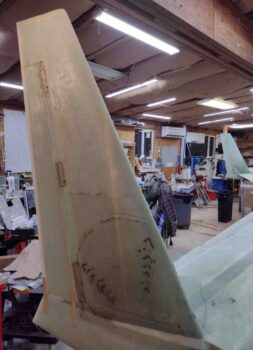
I started off today by first removing the large stir sticks that were hot-glued in place off the left and right rudders.

I had planned on having to remove the rudders and remount them a number of different times to gain the required gap spacing needed for them to pivot outboard the required 22-26° as per the High Performance Rudder plans.

However, with a little craftiness I discovered that I could sand the edges that I needed to in situ and not remove the rudders at all.  Time saved: Excellent!

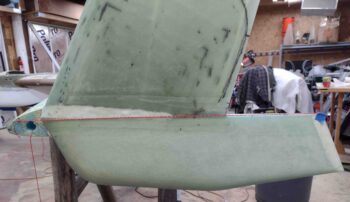
The 3 main surfaces required to be trimmed in loose sequence are: 1) the bottom inboard edge of the rudder, 2) the top inboard edge of the lower winglet, and 3) the top outboard edge of the lower winglet.

I knew without doubt that with my rudder configuration that I’d be creating a decent gap on the inboard interface between bottom rudder and top lower winglet. In fact, this is the point of initial interference: the sharp forward bottom corner of the rudder hitting the edge of the forward couple inches of the inboard lower winglet edge.

After clearing the inboard edge clearance hurdle, the last and persistent clearance issue until the rudder is at its full pivot arch outboard is between the front half of the bottom inboard rudder edge and the outboard edge of the lower winglet.

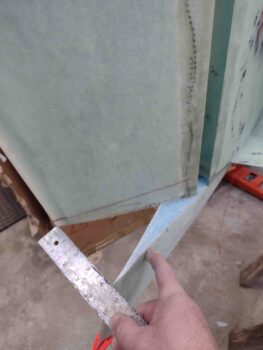
In fact, to give myself a head start I went ahead and took my flat Perm-A-Grit sanding tool and created about a 1/16″ to 3/32″ gap on the outboard lower winglet to bottom rudder seam… sanding this edge downward, taking down the edge a bit of the lower winglet (pic below).  Once I did this, all the sanding was on the progressively forward edge of the inboard bottom rudder (pic above).  Essentially creating a slight upward curve of the bottom rudder edge as it goes forward.

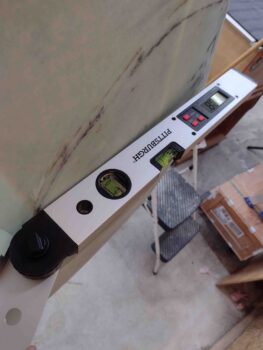
I then checked my angle on the rudder outboard extension.  I will note that as I write this post I referred to the Hight Performance Rudder plans and it shows the angle at the very top of the rudder, so I might try that out of curiosity… because what angle are we actually measuring?  There is clearly a significant curve of the winglet, as it has a camber, so do we extrapolate from center line?  Hmmmm?

Regardless, my goal here was to have the rudder able to swing outboard free and clear with its only constraint being when the Internal Bellhorn hits the inside wing end.  The eventual determinant of max angle will be cable length (to a degree with the spring in the mix) and rudder/brake pedal configuration.  I just don’t want to possibly tear up the edges of the inboard rudder/outboard lower winglet by having these things scraping against each other… or worse, jamming at “full” rudder swing out.

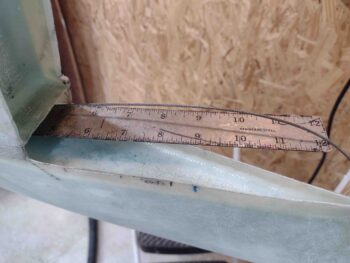
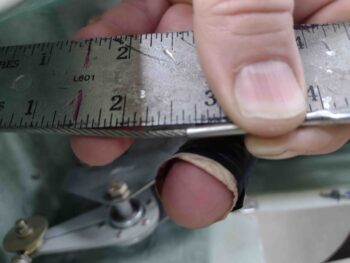
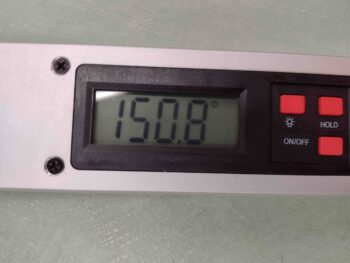
For reference, at about midpoint between the lower and middle hinges, my measured rudder out angle is 29.2° so I’m calling it good… except I think I still have about another 1/4″ before my Bellhorn arm tip kisses the wing rudder cable conduit opening.

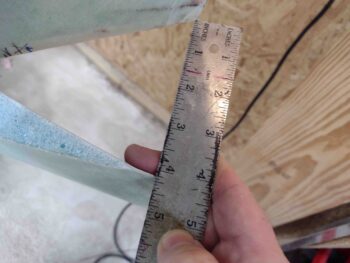
Again, for both reference and curiosity, my right rudder out measurement is 4-1/8″.

Compared to the left rudder, which is 4-1/4″… clearly a bit more aggressive sanding on my interference edges over on the left side.  Meaning my rudder Bellhorn arm is a bit closer to the wing edge.

Sorry for the blurry pic, but the info remains the same: left rudder out angle is 30.6°, measured in about the same spot as the right rudder.

I have a bit of a unique situation that makes my whole rudder cable install require a significantly higher level of precision than a “normal” rudder cable install.  I think in the end it will be very beneficial and an operational plus, but it really almost eliminates any room for error on getting the Bellhorn cable end AN111-C3 swaged into place.

What am I talking about?  Well, when I first started building, one of the Old Guard builders told me what rudder cables to buy, and to order them pre-terminated from Aircraft Spruce. Starting out, when you have only a basic understanding of all things build-related advice is great, but what you don’t have is the experience to exactly understand what skills and knowledge is required to complete the task.

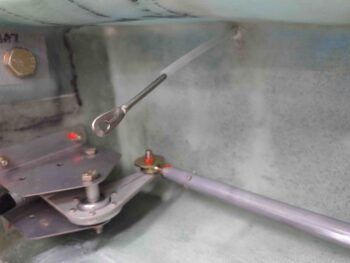
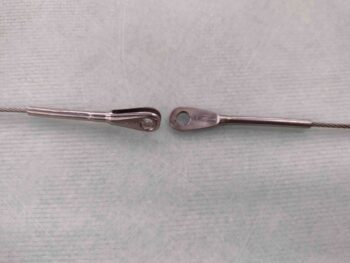
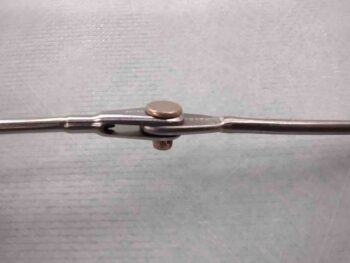
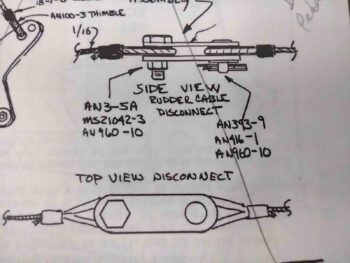
Here are my pre-terminated cables that make up my engine compartment rudder cable quick disconnect.

The pre-terminated cable ends would eliminate the need to make up the plans cable attach fitting in the engine compartment.

Clearly with my pre-terminated rudder cables meeting in the engine compartment, it means that I have to ensure I have my ducks in a row cable-length wise going out to the rudder and forward to the pedals, and spacing wise inside the engine compartment to allow for cable movement without jamming up on the Nylaflow conduits on either side.

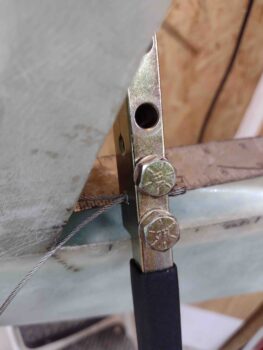
Since I have never swaged a cable before, I simply used a spare AN111-C3 at the very end of the untrimmed rudder cable to get an idea of what I was doing with this whole swage thing.  I’ll simply lop this off and terminate at the correct cable length after I test out the rudder pivot with the cable connected to the Internal Bellhorn.

My swaging, although cumbersome with the required wrench work. seemed to go fine.

You’ll note that I thinned down the AN111-C3 cable bushing with the Dremmel tool for some reason… why?  Well, in talking to Chrissi from the Cozy Grirrls a while back, she warned me that these AN111-C3s are a hair over 0.15″ thick, while the spacing in the Rudder Bellhorn for it to get mounted into is only 0.13″.  Clearly over 0.02″ needs to come off somewhere for this bushing to work.

This was a test run in part to check out how a thinned AN111-C3 would swage and hold on the cable.  My final determination is to take a bit off the inside of each Bellhorn arm tab and then a bit off of each face of the AN111-C3.  That leaves a hair more meat on the AN111-C3 bushing faces.   Yep, always something!

[Note the carved out foam on the lower winglet… see below]

The good news is that apparently my left Internal Rudder Bellhorn configuration is good enough to give me full, unhindered left rudder pivot action right out of the gate.

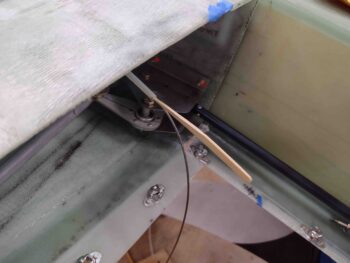
BTW, to take the pic above I jammed a soft split wood stir stick into the Nylaflow to keep the rudder cable from slipping back outboard.

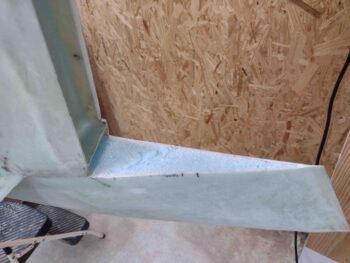
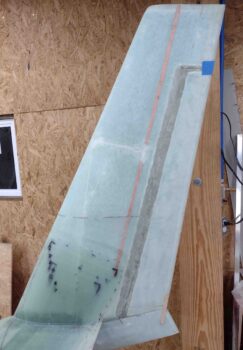
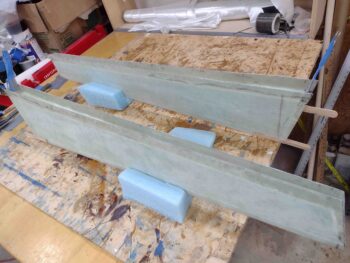
Although I carved out the foam on the last exposed foam face in my rudder/winglet setup: the lower winglet, I didn’t highlight it on the left side.  Here we have the same area on the right lower winglet with the foam removed for glass prep.  Tomorrow I’ll prep the glass edges and lay up a couple plies of BID in this lower trough.

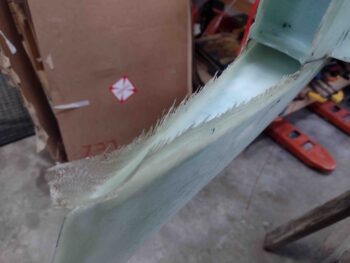
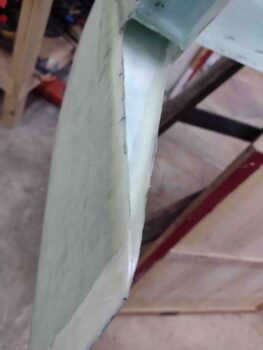
A task I also did on the left side but am just now documenting for the right side is removing all the tape and cleaning up the glassed edges of the Internal Rudder Bellhorn arms.

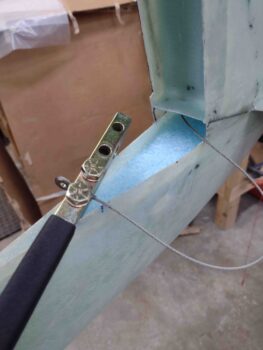
Tomorrow I’ll continue my quest to get the rudders rigged and functioning with the wing side rudder cables installed.  The fuselage side rudder cables will be completed within the next few weeks when I get some brackets made up for the rudder cable conduits exiting out of the CS spar on each edge of the firewall.


Chapter 20 – Right rudder install

I started out this morning by pulling the peel ply from the right wing/winglet Layup #4.  I’m happy to report that the layup looked good.  I then spent a little bit razor trimming overhanging glass and cleaning up the peep ply seams.

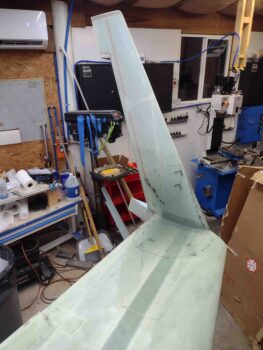
In addition, since it had been well over 24 hours since I completed Layup #4, I also took a good half hour to carefully remove the 1×2 wood support strut.  Now the right winglet is mounted and free standing on its own just as the left winglet.  Both winglets are officially mounted!

I then remounted the left bottom rudder hinge with the temp bolt to gage the gap, which I measured at 0.042″ wide… much more than the gap above it and this gap itself that I had measured originally.

I then removed the K1000-3 nutplate, widened the hole towards the aft side (hinge pin) by 0.04″ and then remounted the nutplate.  When I remounted the rudder here, I remeasured the gap at 0.017″… a much, much more acceptable gap 0.025″ less than what I had with the nutplate in its previous position.

Left rudder fixed.

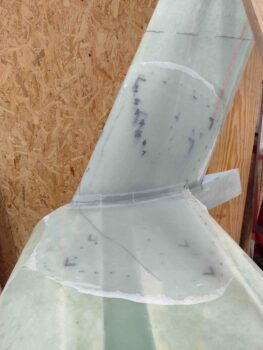
With the left rudder good, I then moved onto the right rudder.  I carefully sanded down the forward and top edges of the right rudder where I had added internal rudder pocket glass, and then subsequently trimmed that glass.  I sanded down the added glass back to the original line of where I cut out the rudder from the winglet.

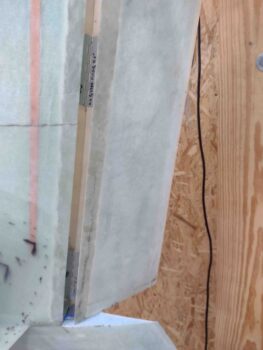
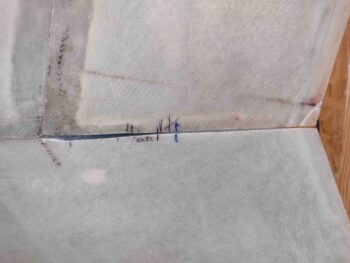
Here we have the fine-trimmed/sanded right rudder set back in place inside the right winglet. I’ll note that the seam between the rudder and winglet looked less than a 0.5mm pencil mark.

I then set the right rudder hinges in place, ensuring that they were set level and even with each other using a straight aluminum edge.  After marking up the rudder hinge rivet locations, I then drilled and clecoed the outboard rivet points on each hinge.  Here I’m verifying that the right rudder hinges are aligned with each other.

I then set the right rudder in place with the hinges set in position and transferred the final hinge positions to the winglet.

On the left winglet I cut the rudder hinge notches at 0.2″ deep, which is what is called out for in the plans for the aileron hinges.  I’m not exactly sure why, perhaps the sharper angle, but the bottom hinge winglet notch on the left side is simply too wide and resulting gap at the hinge is a bit too big appearance-wise, although operationally there is no impact.

I had planned on cutting out the right wight hinge notches 0.18″ deep, but then settled on 0.185″ deep.  Here I’ve cut out the right winglet rudder hinge notches at 0.185″ deep.

Also, to be clear —even though I didn’t grab any shots of this— at each hinge mounting location both on the rudder and the winglet I trimmed the glass so it was angled at 45°, allowing the beveled area of the hinge near the pin to not interfere with the hinge sitting flat in its pocket.

Oddly, just as on the left, the top and middle hinge notches on the right winglet are good, with minimal gaps.  However, the bottom hinge again has a gap just a tad wider than what I would prefer.  Not a show-stopper, just a preference issue.

I’ll note that once again the gap at the edges between rudder and winglet were nice and tight, looking good as well.

With right rudder hinge spacing and alignment looking good, I then drilled and riveted the rudder hinges in place using the BSC-44 countersink rivets.

Prior to setting the rudder back into place in the winglet, I used the same foam wedges as I did on the left side to secure the hinges flat against the inside winglet hinge pocket for drilling out the screw holes.

However, I noted the issue on the foam wedge for the bottom hinge and realized it wasn’t wide enough just behind the hinge, so I stuffed in a couple stir sticks and piece of cardboard to provide a filler for the unwanted gap.

Here we have the right rudder going back into the winglet.

With the right rudder back into the winglet, I verified that its position looked good and gaps were acceptable (again, they are very tight) and then taped the rudder tightly into the winglet rudder pocket.

I then drilled a single 3/16″ hole into bottom screw position for both the top and middle hinge, and at the middle screw position on the bottom hinge (remember that currently I only have 3 K1000-3 nutplates on hand).

Here are closeup shots of the right rudder hinges drilled screw positions on the winglet side.

If you look closely, you can see the added stir sticks on the bottom hinge foam wedge to keep the hinge securely pressed up against the inside winglet pocket.

I then riveted my last 3 remaining K1000-3 nutplates on hand to the right rudder hinges.

And bolted the right rudder back in place inside the right winglet.  Voila! The right rudder is installed!

Again, some closer up shots of the right rudder bolted installed in the winglet.  Note the gaps… I’m very pleased with how tight they are.

To be clear, these bolts/screws I’m using here are easy to get in and out so I am using them to temp install the rudders just as I did with the ailerons.  After micro finish I’ll will drill countersinks and install the Mike Melvill style flat stainless steel hex-drive countersunk screws to make it all look nice and fancy, with no ugly button head screws hanging in the wind.

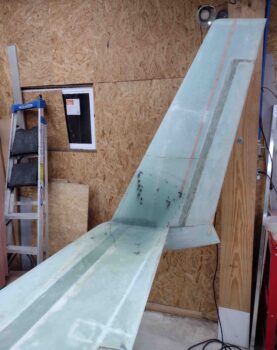
A wide angle view showing both right and left rudders installed back into the winglets.

And a shot looking at the inboard side of the right rudder installed into the winglet.

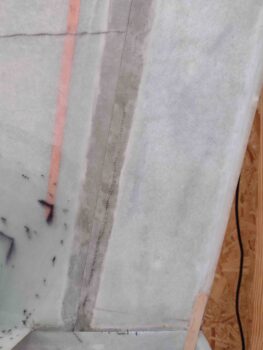
And finally, a closer look at the inboard seam gap of the right rudder and winglet.  Looking good!

Tomorrow I’ll be heading over to hang out with some friends for a few hours, but do plan on starting on both rudder pivot clearances and also prepping the engine to mount the lower cowling.

Chapter 20 – Right Layup #4 complete

I started the right wing and winglet Layup #4 this morning with a small flox fillet at the inside corner, as I did on the left side.  This is to ensure no air bubbles work their way into the corner.

I also slathered up the areas on the wing and winglet that will receive glass with raw epoxy.
Here we have the 2 base plies of BID laid up before the 7 plies of UNI go on.
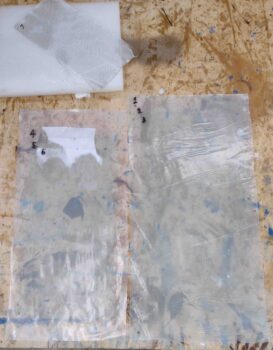
Speaking of UNI, also like the left side, I prepregged the first 3 plies of UNI (1-3) together —on the right below— and plies 4-6 together, which are on the left below.  Here I’ve wetted out the first set of UNI and have almost finished wetting out the second set.  Ply 7 is on its own, up top.
I then laid up the first set of UNI, plies 1-3.
And then the second set, plies 4-6.

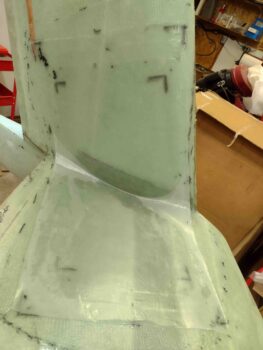
Here the plastic sheeting is still on.  I took this shot to show that on Layup #4, versus the outside corner Layup #3, placing the UNI is a bit trickier because of the curve of mainly the winglet, but a bit of the wing too.  The center of the layup is fine, but the outside edges in the corner have to be “pushed” further in that then pulls the UNI fibers in towards the corner on each side, while the center fibers are happy from the start.  This messes up the original planned, marked spacing a little bit… no big deal, just something to be aware of.
I then pulled the plastic from prepreg setup 2 above, and then added the last ply 7 of UNI to complete Layup #4.
I then peel plied the entire Layup #4 and left it cure.
Now on to rudder installs, but first . . .

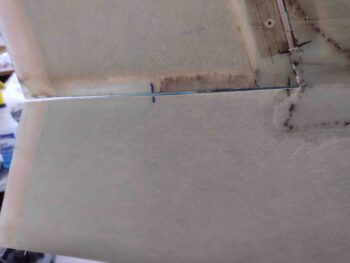
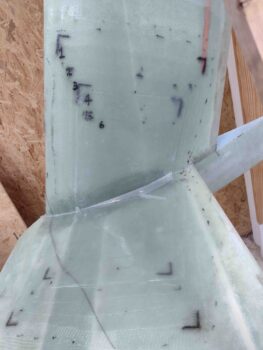
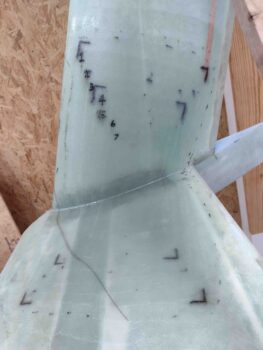
I’m having a slight possible issue with my rudders that I wanted to investigate more fully.  The top and bottom “horizontal” edges of my rudders are not exactly parallel to each other, which I’ve confirmed by measuring them (of course I did this early on too, slightly different results!).

With the winglets unmounted it certainly looks as though the top edge and bottom edge are parallel to each other.  Then when the winglets were mounted and the top rudder edge was cut horizontal, I assumed that the bottom rudder edge would be horizontal as well.

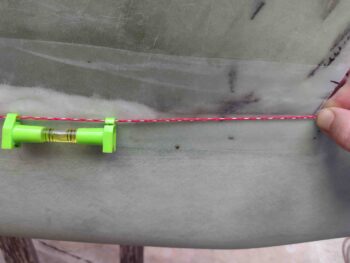
Now, I did trim the bottom edges to match each other and be even with W.L. 18.2.  On the right the cut was a bit more at an angle down, so I could see inducing this seemingly nose-down slant on the bottom rudder’s edge.  But my cut on the bottom left rudder was virtually a straight trim with no angle… and my unscientific string pulled at W.L. 18.2 again shows a straight LEVEL cut.
Again, I didn’t employ the laser (yet) but going from the corner (to lessen the string length and support the level weight) forward to the wingtip shows virtually level with the longerons close to level.

Hmmm, a mystery?  I’m on the fence of “fixing” this or leaving it.  My inclination of the mismatching, seemingly un-parallel top and bottom rudder edges is to leave them and evaluate further after I hack up the gaps so that they can pivot freely anyway.  Probably more to come on this later.
I then grabbed my Fein saw and did a very close trim of the Layup #7 pocket glass on the right rudder.  I didn’t sand it yet as I just wanted to get the really noisy part out of the way earlier in the evening.

I then pressed forward with the left rudder install.  I started by verifying the matching hinge position marks from the rudder to the aft winglet edge.  I then cut out the hinge notches on the winglet side to 0.2″ deep.

Here is the rudder back in place after I cut the winglet hinge notches.  I’ll note that with the rudder trailing edge even with the winglet TE that my max gap between rudder and winglet is less than 0.02″
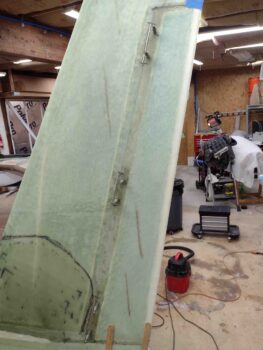
I then verified the alignment of the hinges to each other with a long straight edge.  The middle hinge needed to be pivoted upward (outward/forward) on the bottom side literally maybe 0.010″ max.  So I started on the bottom and top hinges to get them riveted into place.

Another minor issue I ran into was the BSC-44 countersunk rivets are 120° countersinks, and I only had the “standard” 82° and 100° countersink bits on hand.  I thought for a bit and did a quick check, and sure enough my drill bits on hand have 118° tips… close enough.  If 2° in fiberglass and aluminum is going to knock me out of the running, then I have much deeper issues… ha!

I also grabbed this pic to show that I rarely use a drill when making countersinks in fiberglass, phenolic and often even aluminum, but rather do a few iterations by hand and check for acceptable fit/depth.
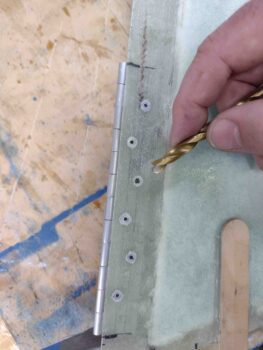
With the hinges riveted in place to the rudder, back on it went AFTER I had marked & drilled 1/16″ holes in the aft winglet edge denoting the winglet side hinge screw positions.  The screws are all on 2.4″ spacing for both the 4″ and 6″ hinges (both pics below).
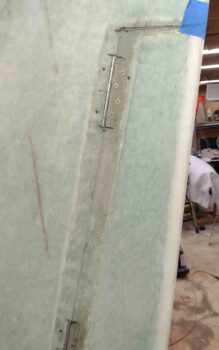
It was now time to add in some nutplates and get this rudder installed.  I have to say I’m not sure if I misplaced a bag of K1000-3 nutplates, which wouldn’t shock me.  But all I had in my little K1000-3 hardware drawer were 6 nutplates.  Ugh! More inventory control problems, caused by that slacker worker… me!

I decided to simply use 1x K1000-3 per hinge for the next 5 days until I get a big batch more in (I dropped an order as soon as I came in the house) or find a bag of them somewhere in this shop (I looked and tend to think I don’t have more on hand).  This would allow me to get both rudders installed to a point of being functional in checking travel, edge gap clearances, etc.

Now I just needed to figure out how to keep the hinges pressed up tight against the inside surface of the winglet to drill the screw holes.  I decided to use some scraps of blue wing foam since it’s rigid enough, but I can cram it down in the hinge pocket around and over the protruding pop rivets without any major hassle or harm.
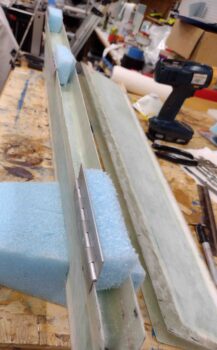
As I put the foam encumbered hinges into the winglet hinge pocket, it seemed to keep the hinges pressed in tightly against the inside winglet pocket surface.

A quick aside on my winglet and rudder hinge pockets.  I took Ary Glantz’s advice off his blog and made mine 1.25″ inches deep vs the plans 1″ deep.  By the time I sanded down the internal pocket foam I was at  minimum of 1.25″ deep, probably more around 1.3″ deep.  This eliminates the need to trim down the hinges for them to fit… a hidden little surprise that builders find out about if they keep their pockets at the plans 1″ depth.

I then duct taped the rudder tight against the winglet to keep the gap between rudder and winglet as tight and minimal as possible.
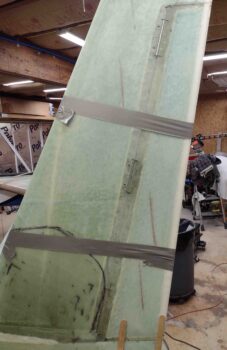
I then drilled all 1/16″ pilot holes through the hinges and 3 of the holes, one in each hinge, out to 3/16″.  Maybe should’ve waited on drilling all the pilot holes… read on.
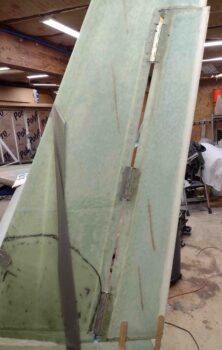
I then riveted a K1000-3 nutplate to each single (for now) screw hole in the left rudder hinges.  I made up a template to keep the angles exactly the same for each nutplate, but the distance to the hinge edge of each hole is just a hair different on each hinge, so the angles are very slightly different… good thing these things are going on the INSIDE of the rudder! <wink>
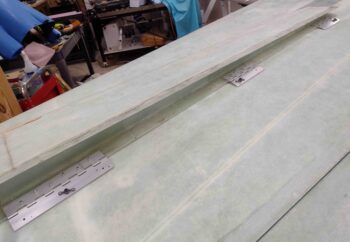
I then set the rudder back into position on the left winglet.  I quickly noted that the top hinges are spot on with the position of the screw-secured hinge.
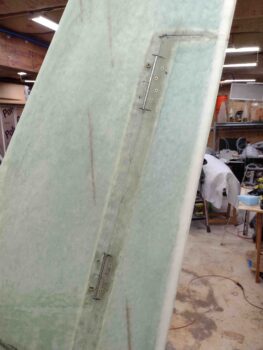
However, the gap at the bottom hinge means that my screw hole ended up about 0.025″ aft of where it needed to be.  The gap is just too wide, and with the screw out and minimal pressure I can push the rudder foward and close that gap up.  So the screw hole and nutplate position will need to be tweaked to close this gap back up to where it needs to be…  note that the screw is not in the hinge in the pic below: this is the rudder’s natural resting position and gap.
Besides my K1000-3 inventory and the bottom rudder hinge screw SNAFU, I’m really happy with how the left rudder is going in so far.  I have no major gaps or misalignments betwixt rudder and winglet, other than those that are self-inflicted.

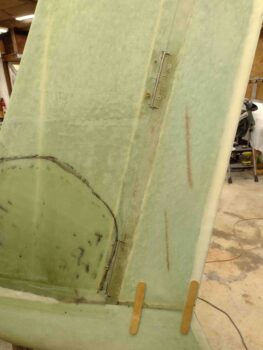
Clearly I’ll need to work the gap clearances top and bottom to allow free and unhindered rudder travel, but that is all part of the natural progression of the rudder installs (note: the slight rudder/winglet gap below is from the outboard popsicle sticks pushing on the lower winglet and springing the rudder outboard… this is due to me removing the inboard popsicle stick that countered this effect).
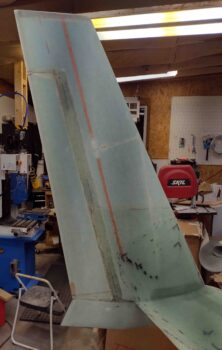
Again, it was another very late build outing, so I called it a night and headed into the house to order some K1000-3s!  Tomorrow I’ll continue on with my rudder install shenanigans and may start working on getting some of the engine cowling stuff figured out.
 

Chapter 20 – New hangar & rudder tasks

I got a late start today since I had to work an insurance policy and get some FAA N# info to the airport in order to accept my new hangar!

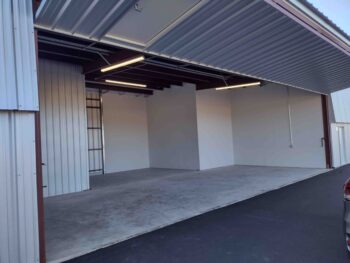
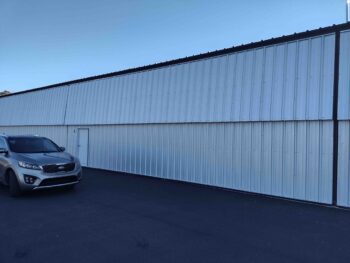
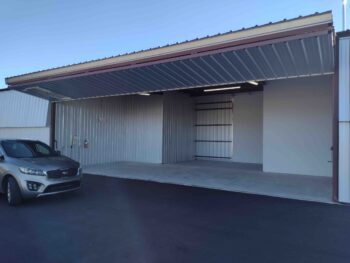
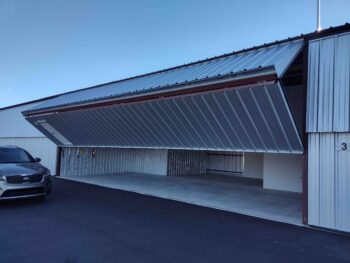
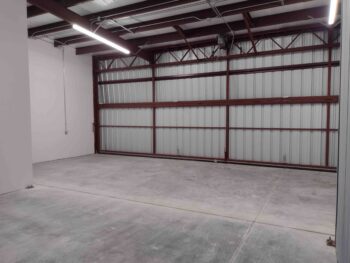
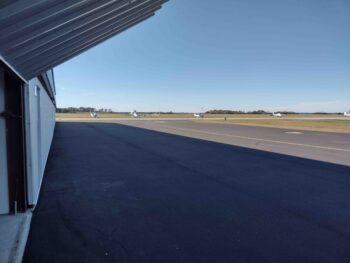
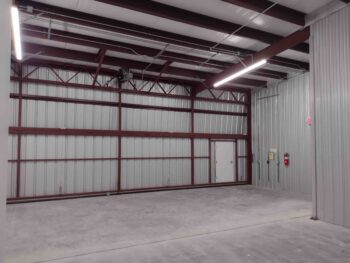
Here are a bunch of pics of the newly built “hurricane proof” hangars that replaced the old ones —one of which I had when I first moved down to NC in August 2019.  Note the view I have out the front of my hangar: the ramp, runways and even water!  No surprise that I’m pretty happy with it… Now I just need to put a Long-EZ in it!

Ok, one last interior hangar pic.

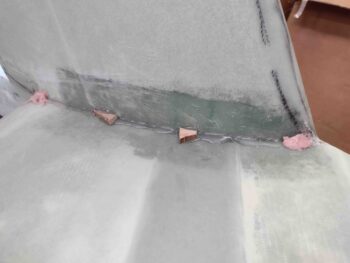
I had a few more things to do when I got home, so I got a later start in the shop.  My first task was to clean up the seam between the right winglet and wing, which of course has a couple blobs of Bondo and a bunch of hot glue.

I first cleaned out the Bondo blobs . . .

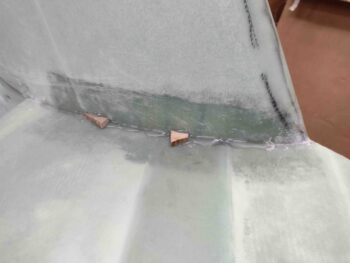
And then the hot glue and wood blocks.

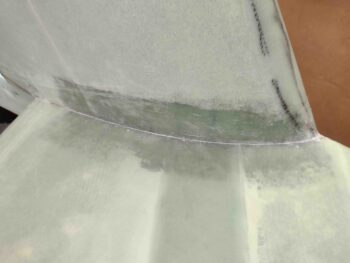
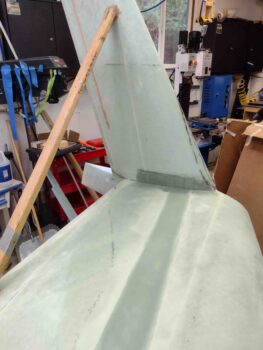
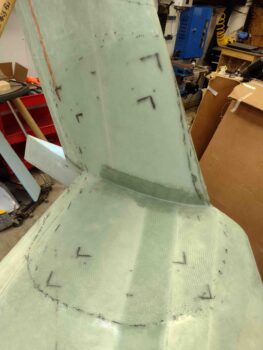
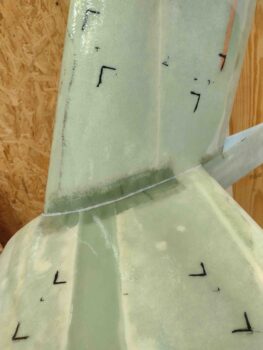
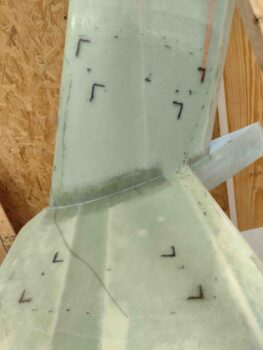
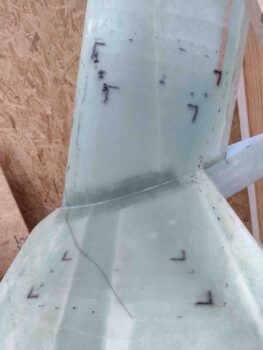
Here we have the seam between right wing and winglet ready for Layup #4 glass.

My issue was that it was getting fairly late, since I got such a late start.  I decided to make a good bit of noise early and simply prep for Layup #4 to knock out first thing tomorrow.  I’ll note that tonight was quite a cold night —near freezing— so the shop was in the low 60s temp-wise.
So in making more noise, my first task was to remove the 3-foot wood support strut on the left winglet.  Clearly this is a big milestone as the left winglet is officially mounted.
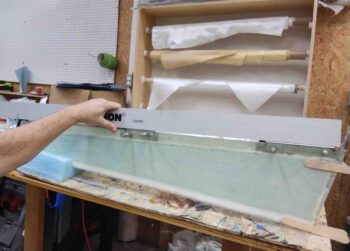
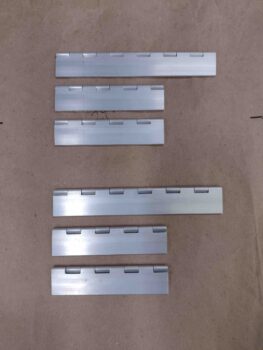
I then used my good chop saw to cut the hinges for the rudders.  After I cut the aluminum hinges, I then set the hinge pin in place in each hinge set and cut the pin with the Dremel tool.  Lastly, I hit each cut end with a file to debur any rough edges.

I then cut the right rudder Layup #7 —inside pocket— glass with the Fein saw, as I did the left rudder last night.

I then very carefully trimmed down the left rudder and sanded the edges back to the original cut line.  I then set it back in place in the left winglet.

I then spent a bit of time aligning the rudder hinges to ensure they were even and level with each other before drilling and cleco’ing them into place.

I then set the left rudder back into the winglet and marked the final rudder hinge positions onto the winglet. Since I moved the bottom hinge up to edge of the top line to ensure clearance with the Internal Bellhorn pocket, I went to move the middle hinge up about 0.15″… but after all the finagling to ensure it was aligned with the other hinges, it ended up being about 0.2″ higher.  Clearly no biggie, just explaining why its position is a little off vs the original marks.

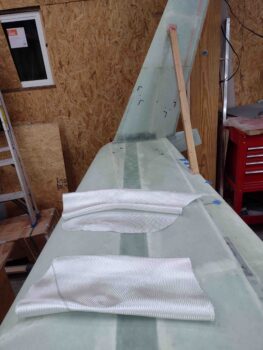
I then got back to the quiet part of my evening: marking up the Layup #4 prepregged UNI plies 1-3 and 4-6 layup positions on the right wing and winglet.  I then cut the 2 foundational BID plies.

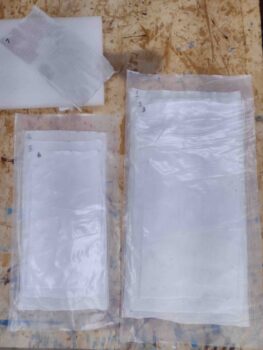
And prepregged 2 sets of Layup #4 UNI: plies 1-3, and plies 4-6.

It was fairly late at this point, so I called it a night and headed into the house. Tomorrow first thing I plan to knock out the right wing & winglet Layup #4.

Chapter 20 – Left Winglet Layup #4

Today I started out by cleaning out the Bondo and hot glue from the junction of the left winglet to the left wing.

I started by removing the Bondo…

and then the hot glue and the wood blocks.

I then sanded, cleaned up, and prepped the junction and all the areas that will receive glass for Layup #4.

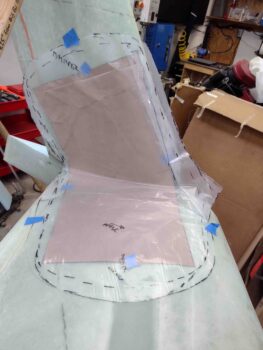
I then used my paper template to figure out how the UNI plies would be situated, followed by my plastic sheet template to determine the size and shape of the 2 BID plies.

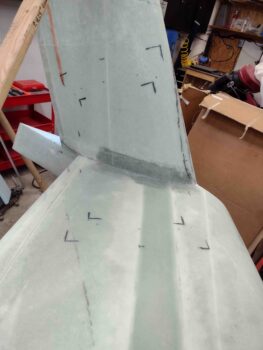
Here are the markups for the two sets of prepregged UNI plies: 1-3 and 4-6.

Here we have the Layup #4 UNI plies prepregged in prep for glassing. Note that the UNI is in 2 prepreg sets: Plies 1-3 and Plies 4-6.  Ply 7 will be added without prepreg.

In prep for the BID layups I added a small flox fillet at the junction of the left winglet to the left wing.

I then laid up the 2 plies of BID for Layup #4.

After wetting out my first set of prepregged UNI, plies 1-3, I laid them up on the inside junction of the left winglet and wing.

I then laid up the next set of prepregged UNI, plies 4-6, for Layup #4.

I then laid up UNI ply 7, which completed Layup #4.

I then peel plied the left winglet’s Layup #4.

I then used my trusty Fein saw to trim the Layup #7 glass on the left rudder pocket.  This was a rough trim to get all the overhanging layup glass removed.  Later I’ll take my time and trim down to the line before sanding the edges to to their final configuration, just as I did on the winglet pocket.

Tomorrow will be rinse and repeat on the right side as I plan to knock out Layup #4 and also trim the right rudder’s Layup #7, just as I did for the left side today.